


Dry Cleaning Industry at a Turning Point: Which Laundry Shops Can Survive the Next Five Years
The dry cleaning industry is at a critical turning point. This is not a gradual shift. It is a structural change driven by three forces (environmental regulations, changing consumer demands, and equipment upgrades). This article will not make numerical predictions. It provides valuable insights for laundry businesses. During this shift, some laundry shops will remain competitive. But others will exit the market.
Three Key Forces
● Regulations
Perchloroethylene (PERC), as a Group 2A carcinogen, is facing regulatory limitations worldwide. In the US, the EPA required the phase-out of PERC dry cleaning machines in residential areas by the end of 2022. Most European countries have significantly limited the use of these machines. In China, the pace of development is relatively slow, but its direction is clear. Beijing and Shanghai have issued local regulations. This restricts new dry cleaners from using PERC-based machines. Relevant standards are also being studied in Shenzhen and Guangzhou. For laundry shops that are still using old PERC machines, the question is no longer whether to upgrade, but how long they can operate. If regulations become stricter, these stores may shoulder upgrade costs and even face the risk of closure.
● Consumption
In the past, dry cleaning customers were dominated by users who occasionally clean garments like winter coats. But now, they are segmented into two groups.
- Price-sensitive customers
They are sensitive to prices and pursue cleaning performance.
- Quality-conscious customers
These customers tend to select professional garment care services. They consider store atmosphere and service experience. Also, they pay a premium for reliable services. They often include urban white-collar workers aged 25-45, high-net-worth families, and consumers pursuing designer brands. Also, quality-conscious customers are growing rapidly. However, they have zero tolerance for residual chemical odors, damaged logos, and the failure to check garments before cleaning. They require professional, transparent, and traceable services. But a large number of laundry shops fall short.
● Supply
Dry cleaning technology is shifting from PERC-based systems to modified alcohol solvents. This is more than just changing solvents. It is a complete upgrade of the distillation system, drying profiles, and equipment sealing standards. The equipment upgrade window is often between 3 and 5 years. Stores that upgrade early can take on premium orders, reduce compliance risks, and control operating costs. Stores that delay upgrading may face regulatory pressure and customer losses if the window closes.
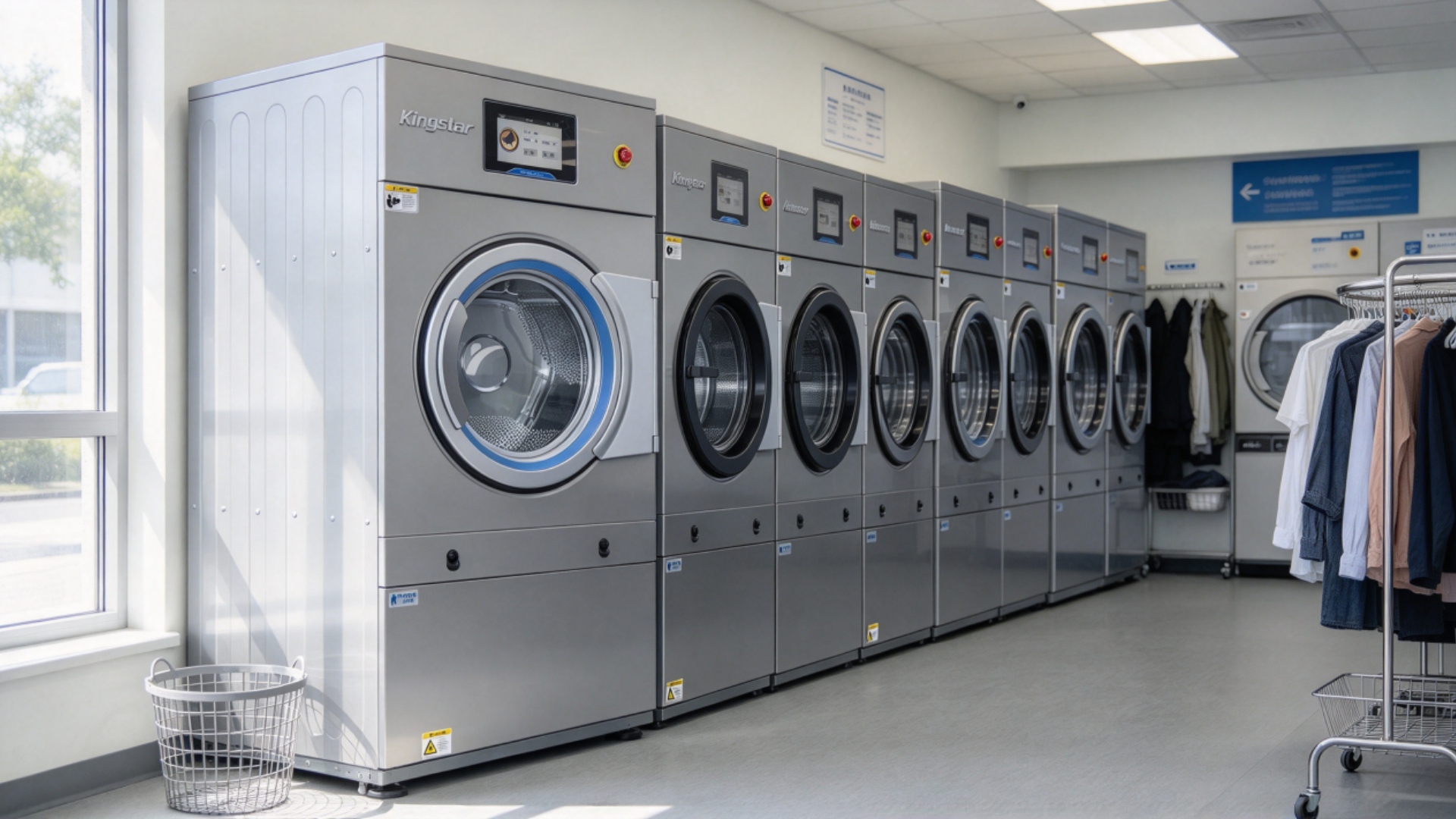
Three Emerging Market Segments
● Major chain and boutique stores
Most of them have invested in multi-solvent machines. They offer standardized services and have brand and customer management capabilities. They can take on orders from quality-conscious customers. Their growth strategy is not competing for existing market share, but seizing new demand. When stores that use PERC machines exit the market, premium orders naturally shift to compliant boutique stores.
● Small and medium community-based stores
They dominate the industry. But their future remains uncertain. This depends on two critical factors. The first is whether they can upgrade to equipment that uses modified alcohol solvents. If PERC regulations take effect, they may exit the market. Choosing low-end hydrocarbon dry cleaning machines may not be a proper option. This may cause customer losses. The second is whether they can move beyond basic garment washing and develop more comprehensive services. The average transaction value is affected by many factors (customer segmentation, membership systems, and value-added services). Laundry shops that complete both upgrades can move upmarket. Otherwise, they may lose ground and even exit the market.
● Low-end family-run stores
They lack brand recognition and loyal customers. They rely on old equipment and face high compliance risks. If new stores with modern equipment and services open nearby, they may lose half of their customers within six months. This has happened in many cities.
In addition, talent is easily overlooked. The dry cleaning industry has faced a shortage of professional technicians for a long time. Laundry technicians need expertise in textile fibers, stain chemistry, equipment operation, and ironing skills. They cannot master it in three days of training.
These technicians tend to join businesses with modern equipment. Modified alcohol dry cleaning machines provide a clean working environment with fewer chemical odors and smarter processes. This attracts more young technicians than traditional workshops using PERC machines. Therefore, laundry shops gain a dual advantage in equipment and talent. This creates a positive feedback loop. Outdated equipment fails to retain staff. This leads to declining service quality and customer losses. This creates a negative feedback loop that is difficult to reverse.
Three Practical Suggestions
● Equipment audit
Evaluate the remaining service life of existing machines. Determine the possibility of PERC regulations in the local area. Develop backup plans when regulations take effect. This is not about creating unnecessary concern. It is about identifying hidden risks in advance.
● Differentiated positioning
Laundry shops need to create distinctive advantages, rather than competing on price. They can focus on serving communities and expertise in delicate fabric garments (such as fur garments and wedding dresses). Meanwhile, develop relationships with customers. This is key to selecting the right direction and building expertise.
● Equipment upgrade window
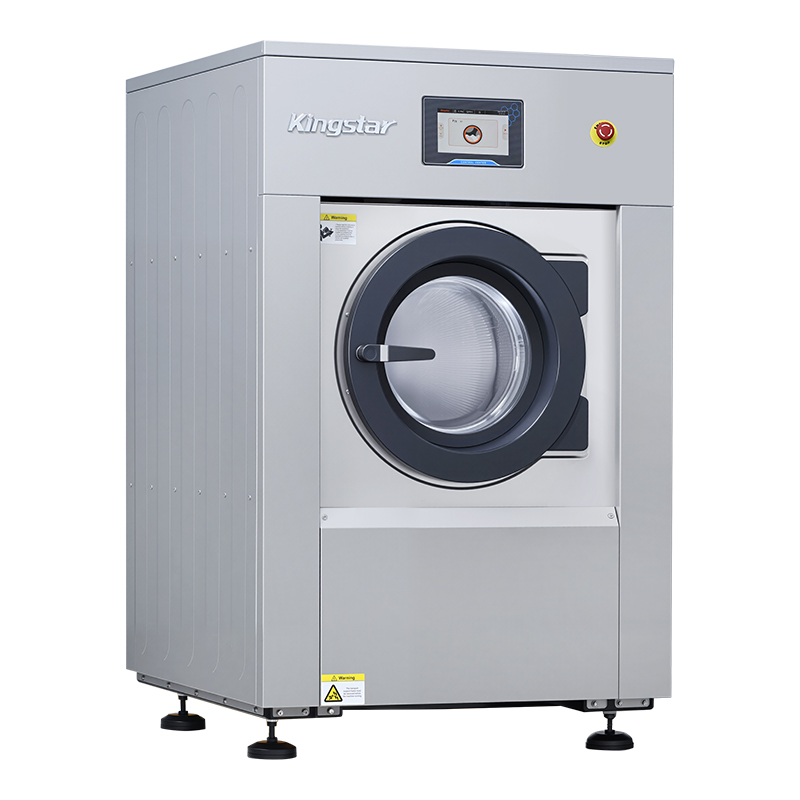
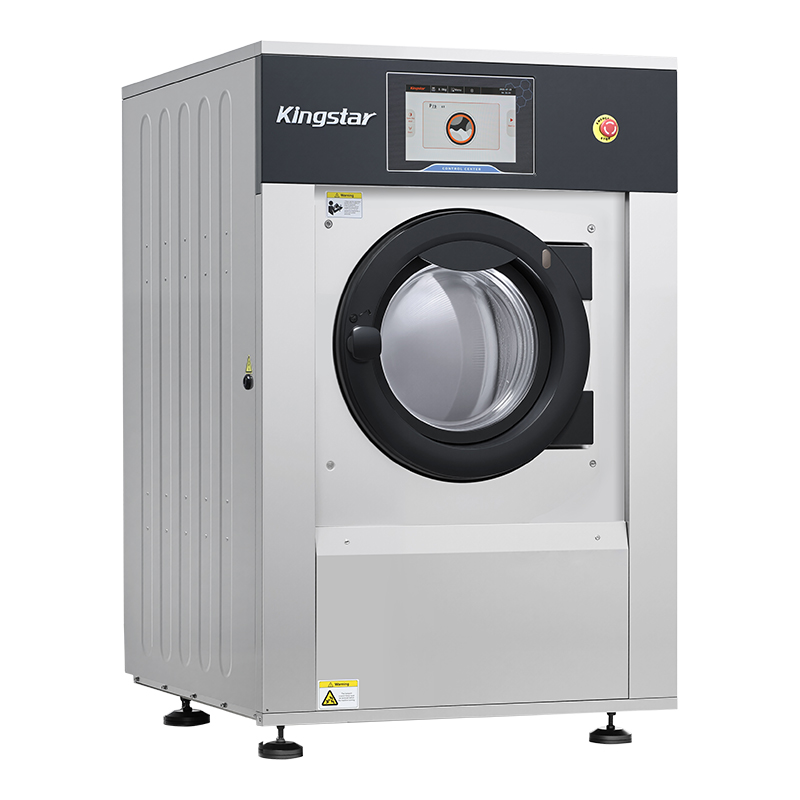
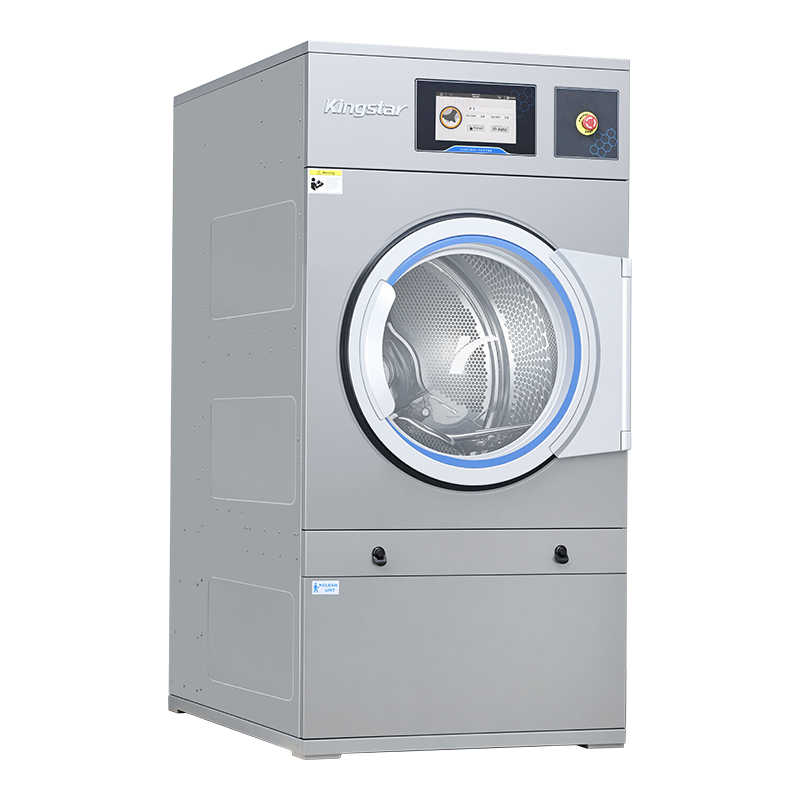
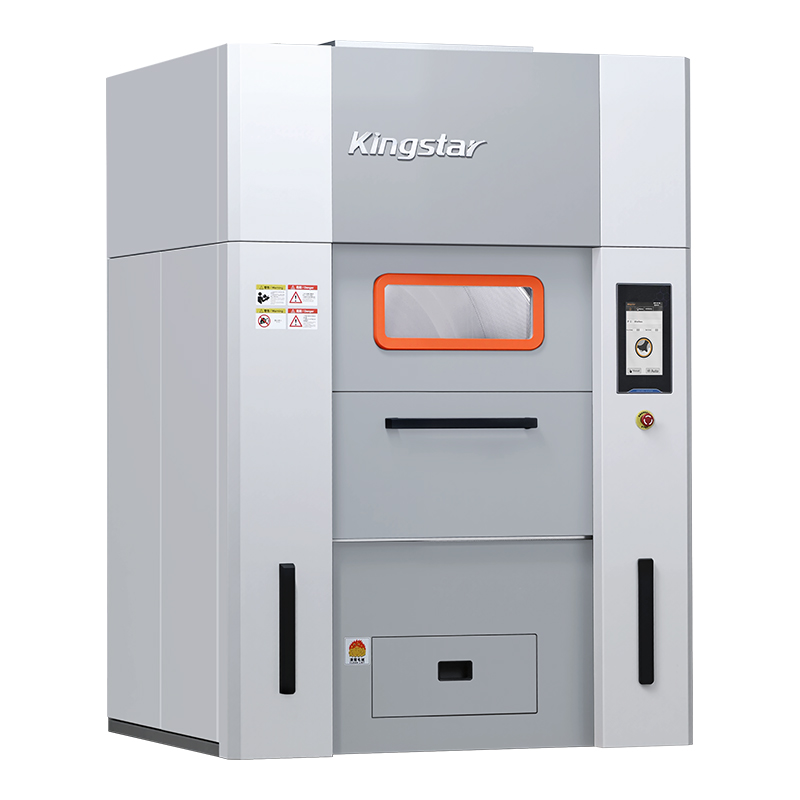
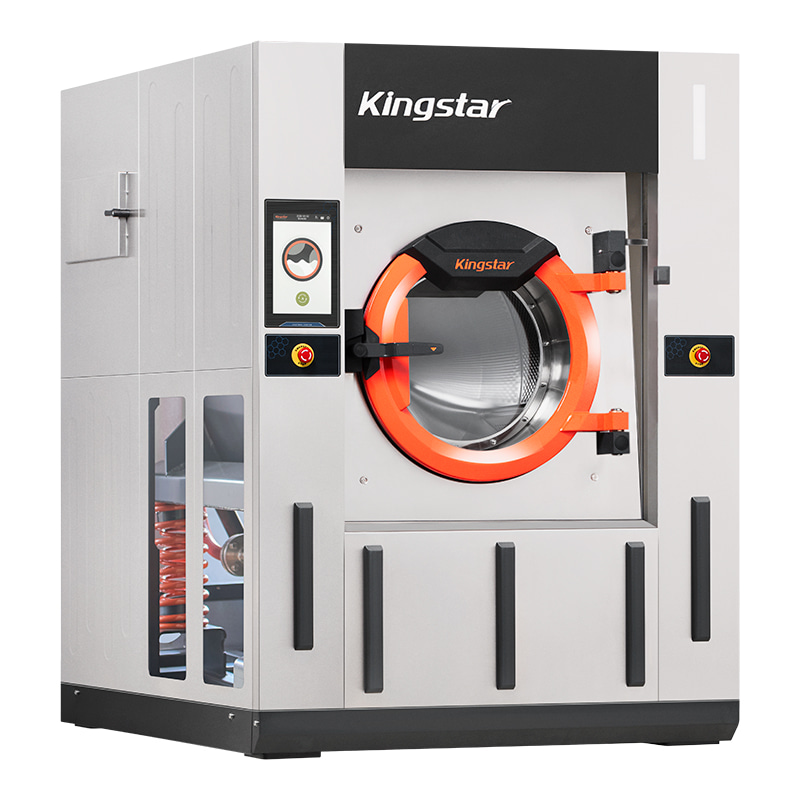
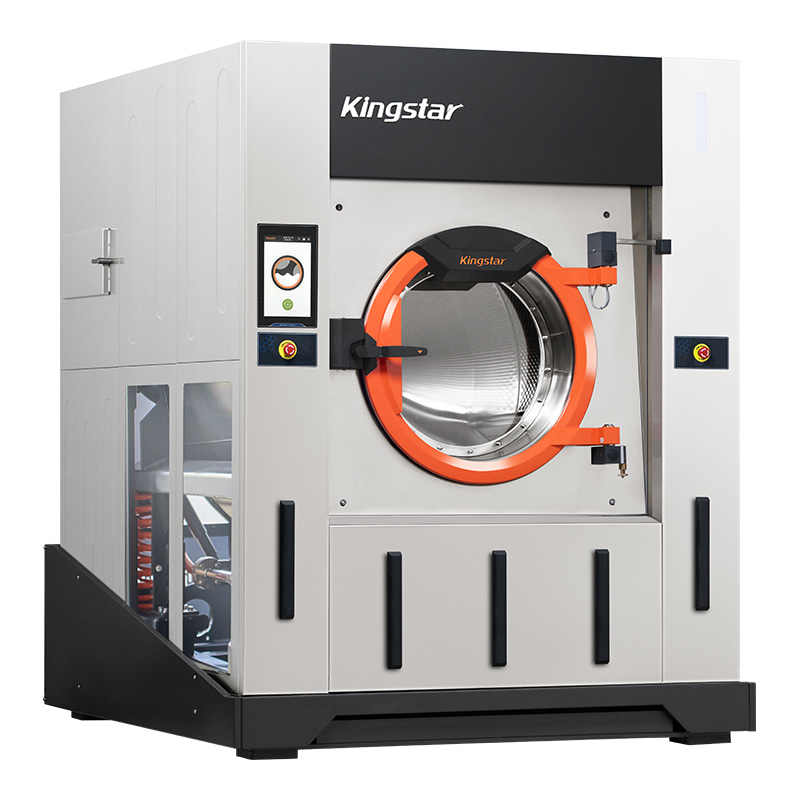
The equipment generation window often lasts only 3-5 years. Upgrading early brings additional benefits. Otherwise, laundry shops may face more pressure. In addition to modified alcohol dry cleaning machines, professional wet cleaning machines and washers with low chemical consumption can meet global environmental regulations. Kingstar supports equipment upgrades at global laundry shops and laundromats. It is a professional laundry equipment manufacturer. It offers a full range of equipment (commercial washers, wet cleaning machines, dryers, and self-service washers). In addition, Kingstar can help laundry businesses complete equipment upgrades based on their locations and business structures.
Conclusion
The dry cleaning industry will not disappear. However, its demand will remain, and the market structure will significantly change. In the next five years, some stores will exit the market while some may become more competitive. The differences don’t lie in business size and location, but in whether they make the right decision at the turning point. Laundry operators need to take a proactive approach. Thus, they can become more competitive and adapt to industry changes.
Q&A
Q1: How long is the generation window for modified alcohol dry cleaning machines?
A1: The window often lasts 3-5 years. During this period, equipment upgrades help capture premium laundry orders. It meets environmental regulations. Also, this reduces operating and maintenance costs. If stores fail to upgrade, they will face regulatory pressure and customer loss.
Q2: Should laundry shops focus on quality-conscious or price-sensitive customers?
A2: This depends on their brand and location. Quality-conscious customers are growing. They are willing to pay a premium for traceable laundry and garment care services. Thus, laundry shops need to invest in professional equipment. Also, they should establish standardized procedures. Stores relying on low-price competition may lose their long-term competitiveness.
Q3: Do small and medium community-based laundry shops have growth opportunities?
A3: Yes. But they need to upgrade in two areas.
● Equipment side
Eliminate outdated PERC-based equipment. Replace it with reliable machines.
that meet environmental regulations.
● Operation side
Implement customer segmentation. Develop membership systems and offer value-added services.
If stores fail to complete the two upgrades, they may quickly exit the market.
追加:中国江蘇省226000、南通市崇川区興港路388号。
-
電話番号: +86-13917089379
-
電話番号:+86-13917089379
-
ファックス:+86-0513-85663366
-
E-mail:louislu@kingstarlaundry.com