


ダブルスタック乾燥機: 業務用洗濯機と乾燥機システムを構成するよりスマートな方法
業務用洗濯機と乾燥機のセットアップにおける 2 段重ねの乾燥機のケース
商用洗濯機および乾燥機システムを構成していて、床面積に制約がある場合は、 ダブルスタック乾燥機は利用可能な単一の最も効率的なソリューションです 。ダブルスタック乾燥機は、1 つのハウジング内に 2 つの独立した乾燥ユニットを垂直に取り付けることで、スループット、サイクルの柔軟性、または熱性能を犠牲にすることなく、同じ設置面積で 1 台の機械の 2 倍の乾燥能力を実現します。コンパクトなスペースで運営されているコインランドリー、集合住宅のランドリー ルーム、ホテル、ヘルスケア OPL 施設では、この構成が業界標準になっているのには十分な理由があります。
しかし、2 段重ね乾燥機があらゆる操作に適しているわけではありません。適切な市販の洗濯機と正しく組み合わせ、実際のリネンの量に合わせてシステムのサイズを調整し、設置要件を理解することが、積み重ねたセットアップがスループット資産になるかボトルネックになるかを決定します。この記事では、そのすべてを実際に、そして具体的な数字とともに取り上げます。
ダブルスタック乾燥機とは何か、そしてその仕組み
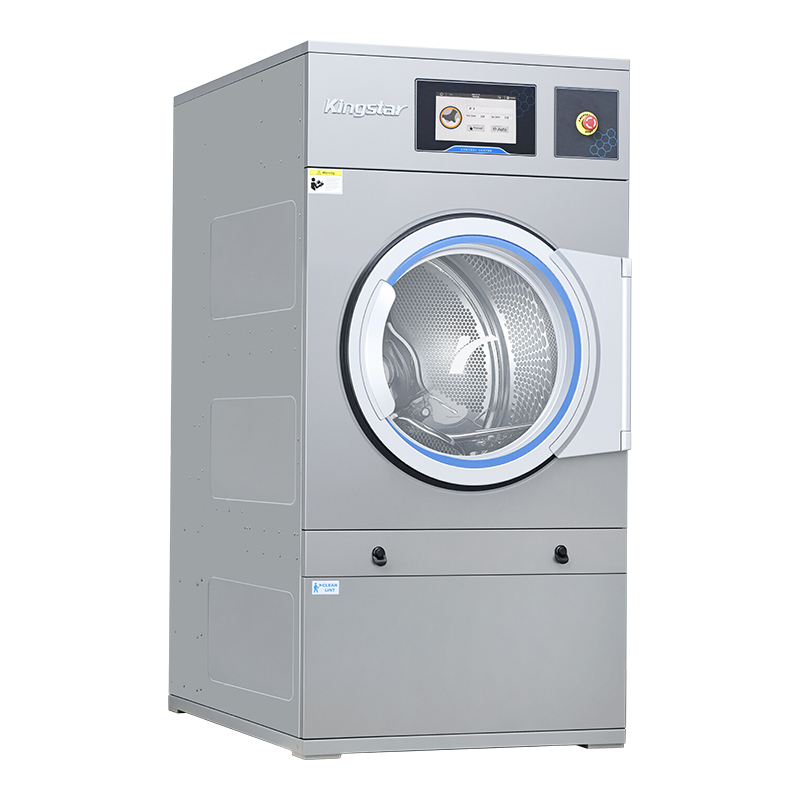
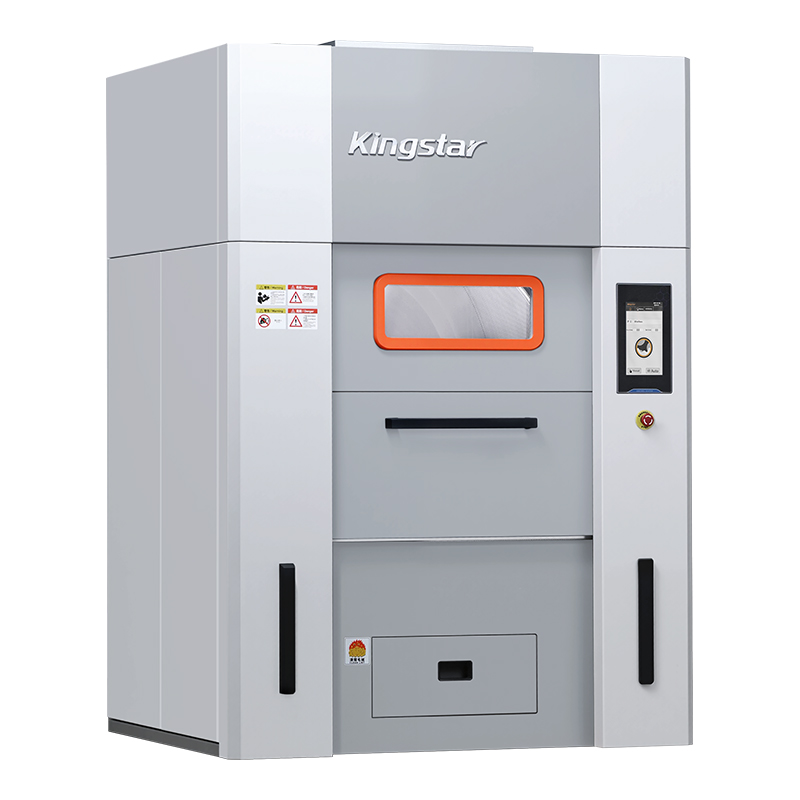
A 二段重ね乾燥機 スタック乾燥機またはツインポケット乾燥機とも呼ばれる - は、1 つの垂直キャビネットに収容された 2 つの独立した乾燥ドラムで構成されます。各ドラムは完全に独立して動作します。個別のコントロール、個別の発熱体またはバーナー、個別のサイクル タイマーまたは水分センサー、および個別の糸くずフィルターです。 1 つのドラムをロードしても、もう 1 つのドラムで実行されているサイクルには影響しません。この独立性により、積み重ね乾燥機は、乾燥サイクル中に機械が占有され、新しい洗濯物を受け入れることができない洗濯乾燥機一体型ユニットよりもはるかに運用上便利になります。
市販の二重スタック乾燥機はガス式と電気式の構成があり、個々のドラムの容量は通常次のとおりです。 ポケットあたり 30 ポンドから 55 ポンド 。したがって、標準のダブルスタックユニットは以下を提供します。 総乾燥能力60~110ポンド マシンあたりの設置面積 - 2 台のスタンドアロン乾燥機を並べたものに相当しますが、床面積の約半分を使用します。
トリプルスタック構成 (1 つのハウジングに 3 つのドラム) も存在しますが、それほど一般的ではなく、3 つの同時サイクルの熱と排気出力が集中するため、慎重な補給空気と設備計画が必要です。
ダブルスタック乾燥機と並列単一乾燥機: 直接比較
スタック構成とサイドバイサイド構成の間のトレードオフを理解することは、オペレータが特定の施設レイアウトとスループットのニーズに対して正しい決定を下すのに役立ちます。
| 因子 | 二段式乾燥機 | 2 台のシングル ドライヤーを並べて設置 |
|---|---|---|
| 床面積 | ~3.5~4平方フィート | 約7~8平方フィート |
| 総乾燥能力 | 60~110ポンド | 60~150ポンド |
| 独立したドラム操作 | はい | はい |
| 人間工学を読み込む | 上部ドラムは頭上に到達する必要がある | どちらも快適な積載高さで |
| インストールの複雑さ | ユーティリティ接続ポイント 1 つ | 2 つの別々の接続ポイント |
| 購入価格 (ガス、30 ポンド/ポケット) | $3,500 – $7,500 | $4,000 – $13,000 (2 ユニット) |
| メンテナンスアクセス | 上部ドラムの保守にはステップ/はしごが必要です | どちらもフロアレベルでアクセス可能 |
| 必要な天井高さ | 最小 ~82 ~ 90 インチ | 標準(制限なし) |
スペースの節約が主な利点ですが、特にスタッフが長時間勤務する医療現場や業務では、上部ドラムに荷物を積み込む際の人間工学について正直に考慮する価値があります。施設によっては、軽くて投げやすい荷物(シーツ、シャツ)を上部のポケットに、胸の高さで積み込みやすい重い荷物を下部のポケットに指定することで、この問題に対処しているところもあります。
ダブルスタック乾燥機と適切な業務用洗濯機の組み合わせ
ダブルスタック乾燥機は単独で動作するのではなく、洗濯機と乾燥機のシステムの半分であり、ほとんどの購入者が認識しているよりも組み合わせが重要です。標準的な商業ランドリー計画の原則は次のとおりです。 洗濯機と乾燥機の比率 1:2 : 洗濯機を稼働させるたびに、同等の合計容量の乾燥機が 2 台必要になります。ダブルスタック乾燥機はこの役割を果たすために理想的に配置されており、1 台の洗濯機の出力に合わせて 2 つの独立した乾燥ポケットを備えています。
洗濯機と乾燥機の容量を一致させる
容量の一致が最優先事項です。 60 ポンドの洗濯脱水機と 2 つの 30 ポンドのポケットを備えたダブルスタック乾燥機を組み合わせると、バランスのとれたシステムが作成されます。洗濯機の出力は両方の乾燥機ドラムにきれいに分割されます。どちらの方向でも不一致があると問題が発生します。60 ポンドの荷重を生成する洗濯機が 20 ポンドのポケットを備えた二重スタックに送られると、キューが作成されます。逆に、30 ポンドの洗濯機を 2 つの 55 ポンドの乾燥機ポケットに入れると、サイズが小さい荷物用の特大ドラムを加熱するエネルギーが無駄になります。
洗濯機の G フォースが乾燥機のサイクル タイムに与える影響
業務用洗濯機の抽出 G フォースは、乾燥機サイクルの実行に必要な時間を直接決定します。で稼働する洗濯脱水機 100 ~ 150 の G 力 生地の残存水分含有量 (RMC) を約 60 ~ 70% に保ちます。マシンの評価は 300 ~ 400 G 力 RMC を 45 ~ 50% 以下に減らすことができます。この違いは、乾燥機サイクルが実行される可能性があることを意味します 負荷ごとに 15 ~ 25 分短縮されます 高 G 洗浄機と組み合わせると、配合効率が向上し、1 日あたり 10 サイクルで、機械ごとに毎日 2 ~ 4 時間の乾燥機の稼働時間を節約できます。
新規に設定するオペレータ向け 洗濯機と乾燥機 多くの場合、高 G の洗濯脱水機に投資する方が、乾燥機をアップグレードするよりも経済的に効果的です。節約した分は、システムの耐用期間中のすべての乾燥サイクルに反映されるからです。
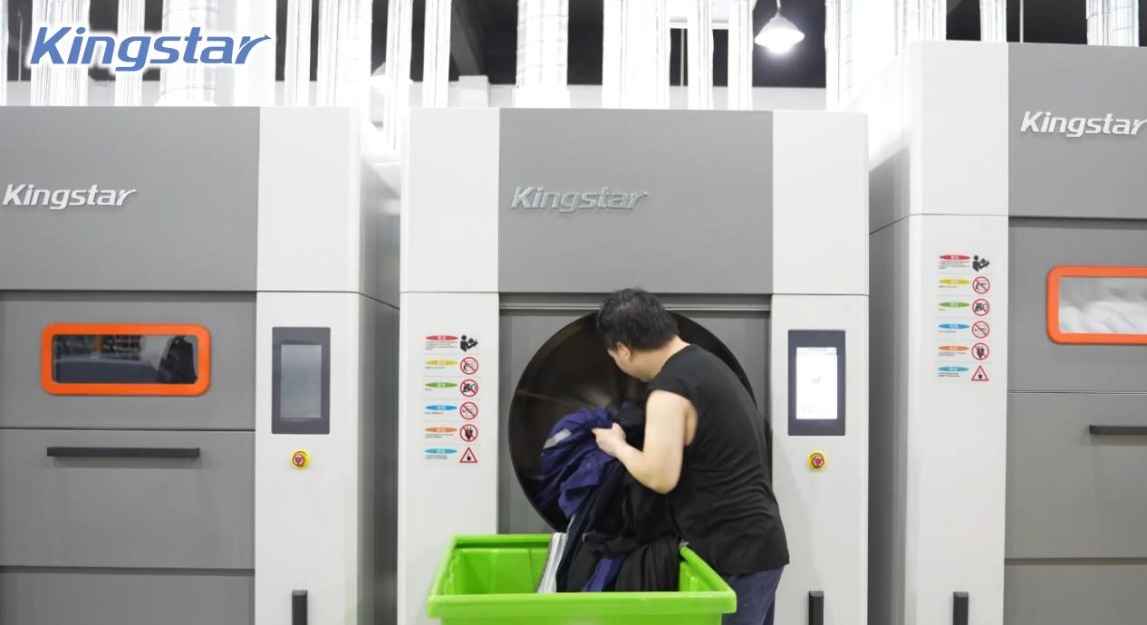
動作サイズ別の推奨洗濯機と乾燥機の組み合わせ
| 操作の種類 | 毎日のリネンの量 | 推奨ワッシャー | 推奨される乾燥機のセットアップ |
|---|---|---|---|
| 小型コインランドリー・サロン | 200~400ポンド | 1× 30–40ポンドワッシャー | 1× ダブルスタック (2×30ポンド) |
| 中規模ホテル(50~80室) | 500~900ポンド | 1×60ポンドワッシャー | 2× ダブルスタック (各 2×30 ポンド) |
| 老人ホーム・介護施設 | 600~1,200ポンド | 1 ~ 2× 60 ~ 80 ポンドのワッシャー | 2 ~ 3 × ダブルスタック (各 2 × 35 ポンド) |
| アパートのランドリールーム | 150~300ポンド | 2 ~ 4× 20 ポンド フロントロード ワッシャー | 2×ダブルスタック(各2×20ポンド) |
| 大容量コインランドリー | 1,500~3,000ポンド | 4 ~ 8 × 40 ~ 60 ポンドのワッシャー | 4~8× ダブルスタックラージシングル |
二段式乾燥機の価格: 2025 年の予算はいくらにすべきか
市販のダブルスタック乾燥機の価格は、ポケット容量、熱源、ブランド、機能セットによって異なります。新しい機器の現在の市場価格の現実的な内訳は次のとおりです。
| 構成 | ポケットあたりの容量 | 熱源 | 価格帯(新品) |
|---|---|---|---|
| ダブルスタック(エントリーコマーシャル) | 18~20ポンド | 電気 | $2,200 – $4,000 |
| ダブルスタック (中商業) | 30ポンド | ガス | $3,500 – $6,500 |
| ダブルスタック (中商業) | 30ポンド | 電気 | $2,800 – $5,500 |
| ダブルスタック (ヘビーコマーシャル) | 45~55ポンド | ガス | 6,500ドル – 12,000ドル |
| トリプルスタック(3ポケット) | 30ポンド | ガス | 7,000ドル – 14,000ドル |
ガスモデルはほとんどの構成で前払い価格が高くなりますが、 年間 1,500 ~ 3,000 ドルの運用コストの削減 電気同等品との比較では、1 日あたり 8 サイクル実行する操作の場合、通常 12 ~ 24 か月以内に価格割増分の回収が行われます。既存のガスラインと排気ダクトを再利用できるかどうかに応じて、設置費用として 500 ~ 2,500 ドルが追加されます。
信頼できるディーラーからの再生品ダブルスタック乾燥機は、以下で入手できます。 新しい価格の 40 ~ 55% 、多くの場合、再構築された暖房システムと短期部品保証が付いています。これは、資本投資を全額行わずに生産能力を拡大するための実行可能なオプションです。
ガス乾燥機と電気二重積層乾燥機: 選択の背後にある数字
この決定は、公共インフラ、地域のエネルギー料金、長期的な運用経済性の交差点で行われます。正しい答えは施設の詳細によって異なりますが、ほとんどの場合、財務上のケースは明らかです。
ガス二重スタック乾燥機を 1 日あたりポケットごとに 10 サイクル (合計 20 サイクル) 実行すると、1 サイクルあたりの平均燃料費が 0.25 ドルになります。 ガソリン代として年間 1,800 ドル 。商用電気料金 0.12 ~ 0.15 ドル/kWh で同じワークロードを実行する場合の電力相当コスト 年間 3,500 ~ 5,000 ドル 。 10年の寿命で考えると、その差は次のようになります。 マシンあたり 17,000 ~ 32,000 ドル — 熱源の決定は、商業用ランドリー計画において最も経済的に重要な選択の 1 つとなります。
電気が適切な場合
電気二重スタック乾燥機は、特定のシナリオで運用上意味があります。天然ガスインフラがなく、プロパン改修コストが法外に高い施設。全電化建設義務に基づく建物(カリフォルニア、ニューヨーク、および電化政策を推進する他の州の新築でますます一般的になってきています)。住宅用または商業用の電気料金が異常に安い地域での運営により、ガスとのサイクルごとのコスト差が縮小します。現在商業市場に参入しているヒートポンプ乾燥機技術は、次のような方法で電気運転コストを削減できます。 40 ~ 60% 対抵抗加熱 オール電化設備計画の議論において評価に値します。
各オプションのユーティリティ要件
ガス二重スタック乾燥機には、専用のガス供給ライン (通常、デュアル ポケット ユニットの場合は直径 3/4 インチ)、圧力調整器、および両方のポケットの適切な通気 (通常は共有の排気マニホールドを介する) が必要です。電気二重スタック乾燥機には通常、次のものが必要です。 ポケットごとに 208 ~ 240V、30 ~ 60 アンペアの専用回路 、ダブルスタックユニット用の 2 つの別個の高アンペア回路を意味します。古い施設では、電気スタック式乾燥機を設置する前に電気パネルのアップグレードが必要な場合があり、設置コストに 1,500 ~ 4,000 ドル追加されます。
積層型乾燥機構成の設置要件とスペース計画
ダブルスタック乾燥機のスペース効率は本物ですが、それを実現するには、特定の構造および実用条件を満たす必要があり、購入前に確認する必要があります。
天井の高さ
業務用二段重ね乾燥機スタンド 高さ78~90インチ モデルによって異なります。ユニット上部の排気接続用に 6 ~ 12 インチを追加します。天井には少なくとも 84 ~ 102 インチ (7 ~ 8.5 フィート) 。標準的な商業スペースの天井は 8 ~ 10 フィートで、ほとんどの 2 スタック ユニットに対応します。ただし、地下のランドリー ルーム、改修されたユーティリティ スペース、または天井が低い古い建物では、機器を選択する前に天井の高さの確認が必要です。
デュアルポケット用排気ダクト
ダブルスタック乾燥機の各ポケットは、独自の排気流を生成します (通常、ドラムあたり 400 ~ 700 CFM)。一部のダブルスタックモデルでは、両方の排気を 1 つのダクト経路に接続する 1 つのリアマニホールドに結合します。他のものでは 2 つの別々のダクト接続が必要です。 共有マニホールド設計により設置が大幅に簡素化 ただし、2 つの排気流を 1 つの排気流に合わせたサイズの 1 つのダクトに流すと、背圧が発生し、サイクル時間が延長され、糸くず火災の危険が生じるため、メーカーの仕様に照らして検証する必要があります。
すべての排気ダクトは硬質または半硬質の金属 (柔軟なビニールではない) を使用し、外部の終端点までできるだけ直接通し、バックドラフト ダンパーで保護する必要があります。ダクトの長さが 25 フィートを超えると (90 度のエルボに調整され、それぞれ 5 フィートとしてカウントされます)、エアフロー効率が低下し、サイクル時間が大幅に増加します。
メイクアップエア
800 ~ 1,400 CFM の排気量を排出する 2 段重ねの乾燥機は、密閉されたランドリー ルーム内に重大な負圧を生成します。適切な補給空気 (ルーバー付きの通気口から受動的に供給されるか、供給ファンから積極的に供給される) がなければ、室内が減圧され、ガスユニットの燃焼効率が低下し、スタッフの快適性と安全性が損なわれます。ほとんどの地域の機械規定では、乾燥機の排気出力に適合するサイズの補給空気システムが必要です。特に密閉性の高い施設や環境制御された施設では、設置前に機械エンジニアに確認する価値があります。
床荷重
30 ポンドの濡れた洗濯物計量を 2 つ満載した業務用二重スタック乾燥機 マシン自体を含む 300 ~ 450 ポンド 。これは、ほとんどの商業フロアの構造能力の範囲内ですが、古い建物や木造の建物の上層階の設置については、特に複数の積み重ねられたユニットが同じエリアにグループ化されている場合には、構造エンジニアによる評価が必要です。
ダブルスタックモデルを提供するトップ業務用洗濯機および乾燥機ブランド
業務用洗濯機および乾燥機市場は、大手メーカーの緊密なグループによって提供されています。ほとんどの製品は、洗濯機ラインと並行してダブルスタック乾燥機構成を提供しており、一致したブランドのシステムの組み合わせが可能です。
スピードクイーン
スピードクイーン's stacked dryer line covers 30 lb and 50 lb per-pocket configurations in gas and electric, with both vended (coin-op) and OPL versions. Their machines are known for 機械的耐久性と緻密な北米サービスネットワーク そのため、社内に技術スタッフを持たずにメンテナンスを管理するオペレーターにとって、リスクの低い選択肢となります。 Speed Queen の洗濯機と乾燥機は、コインランドリーの増築で適合するシステムとして一緒に指定されることがよくあります。
アメリカン ドライヤー コーポレーション (ADC)
ADC の AD および ADG 積層乾燥機シリーズは、北米の商業ランドリー ルームに最も広く設置されている製品の 1 つです。ポケットごとに 30 ポンドおよび 45 ポンドの構成が用意されており、ADC マシンは次の点を重視しています。 シンプルなコントロール、アクセスしやすい部品、一貫した乾燥パフォーマンス — 小規模事業者のダウンタイムと社内メンテナンスの複雑さを最小限に抑える要因。
メイタグのコマーシャル
メイタグのコマーシャル Laundry (part of Alliance Laundry Systems) offers stacked dryers tailored to multi-housing and hospitality applications. Their stacked units are frequently paired with Maytag multi-load commercial washers in apartment laundry room configurations, offering operators a 単一ブランドの保証とサービス関係 洗濯機と乾燥機システム全体に。
エレクトロラックス プロフェッショナル
エレクトロラックス プロフェッショナル's stacked T-series dryers target the hospitality and healthcare market with programmable cycle controls, moisture sensing, and energy-efficient heat management. Their systems are frequently specified in 持続可能性報告要件を備えた LEED 認定施設または不動産 、一致する OPL 構成の Electrolux 洗濯乾燥機とネイティブにペアリングできます。
ヒュブシュ
Alliance Laundry Systems のもう 1 つのブランドである Huebsch は、競争力のある価格の積層型乾燥機を備えたマルチハウジングおよび軽量 OPL セグメントに焦点を当てています。彼らのユニットは人気があります 不動産管理アプリケーション ここでは、プレミアム機能よりも予算効率と基本的な信頼性が優先されます。
ダブルスタック乾燥機を購入する際に評価すべき主な機能
すべての二段重ね乾燥機が同じというわけではありません。これらは、日々の運用パフォーマンスと長期的な価値に最も大きな影響を与える仕様と機能です。
- 湿気感知と時間指定のみの乾燥: 自動湿気感知機能を備えた乾燥機は、負荷が目標乾燥度に達するとサイクルを終了します。これにより、過乾燥(生地にダメージを与え、エネルギーを浪費する)や乾燥不足(保管されているリネンにカビのリスクが生じる)を防ぎます。湿気感知ユニットによりエネルギー使用量が削減されます。 1 サイクルあたり 10 ~ 15% 時間指定のみの機械と比較して、数千回の洗濯/乾燥サイクルにわたって生地の寿命を大幅に延長します。
- プログラム可能なサイクル制御: 綿タオル、ポリエステルのユニフォーム、デリケートな合成繊維など、複数の種類の生地を扱う作業では、ポケットごとに独立した温度、タンブル速度、クールダウン設定を備えた複数のプログラムを保存できる機械の恩恵を受けます。
- ステンレスドラム: ステンレスドラムは錆びにくく、洗濯洗剤の化学残留物に耐性があり、20,000 サイクルにわたって構造の完全性を維持します。亜鉛メッキドラムは少量の設定には適していますが、大量の高温で使用すると、時間の経過とともに軽いリネンが腐食して汚れる可能性があります。
- ポケットごとの BTU 定格: ガス二重スタック乾燥機の場合、各ポケットの定格は約 容量 10 ポンドあたり 10,000 ~ 15,000 BTU 。過小評価されているバーナーはサイクル時間を延長します。バーナーを過大評価すると、生地が焦げたり、ドラムの摩耗が加速したりする危険があります。
- ドラムあたりのエアフロー (CFM): CFM が高いほど、より効率的に水分が除去されます。 30 ポンドの乾燥機に適切な空気流量は、通常、ポケットあたり 500 ~ 700 CFM です。この仕様を確認してください。エアフローのパワー不足は、メンテナンスによって改善されない予想外の長いサイクルの一般的な原因です。
- コインまたはカード支払いの統合: 自動販売ランドリー アプリケーションの場合は、購入前に支払いシステムとの互換性を確認してください。一部のダブル スタック モデルは OPL (支払いシステムなし) 専用に構築されており、高価な変更を加えなければ販売されたアドオンを受け入れることができません。
- ドア開口部のサイズとスイング方向: ドア開口部が大きいため、搬入時間とスタッフの身体的負担が軽減されます。ドアのスイング方向がランドリールームのレイアウトと互換性があることを確認してください。交通路に開くドアは、毎日の運用上の摩擦点となります。
洗濯機と乾燥機への投資を保護するためのメンテナンス スケジュール
毎日 8 時間以上稼働する 2 段重ねの乾燥機は長持ちします 15~20年 一貫した予防保守を行います。基本的なケアを怠った同じ機械は、多くの場合 5 ~ 8 年以内に故障します。次のスケジュールは、大量稼働時の商業用ダブルスタック乾燥機のベスト プラクティスを反映しています。
毎日のタスクとサイクルごとのタスク
- サイクルごとに両方のポケットの糸くずスクリーンを掃除してください。部分的に詰まった糸くずスクリーンは空気の流れを 20 ~ 40% 減少させ、サイクル時間を直接延長し、エネルギー消費量を増加させます。これが業務用乾燥機の火災の主な原因となります。
- 屋外の排気口で排気が強く感じられることを確認します。排気の空気の流れが弱い場合は、ダクト内の糸くずの蓄積やブロワーの故障の初期兆候です。
毎週のタスク
- ドラムの内部とドアのシールを拭きます。熱を逃がす原因となる破れや圧縮損失がないか、ドアのガスケットを点検します。
- フィルターの後ろの空洞に糸くずが溜まっていないか、スクリーンの向こう側にある糸くずトラップ ハウジングを確認します。
毎月のタスク
- ガス バーナー アセンブリ (イグナイター、火炎センサー、ガス バルブ) のガス モデルに堆積物が蓄積していないか検査します。炎センサーの汚れは、非加熱故障コードの最も一般的な原因の 1 つです。
- ドラムベルトの張力と両方のポケットの状態を確認します。ベルトが滑ると、回転が不十分になり、サイクルが長くなり、最終的にはベルトの故障が発生します。
- 湿気センサーバーが清潔で、センサーを絶縁し、乾燥機が目標乾燥レベルを超えてオーバーランする原因となる柔軟剤の残留物がないことを確認してください。
四半期および年次のタスク
- 乾燥機から外部終端までのダクト全体の洗浄 - 大量の操作 (10 サイクル/日) の場合は四半期に 1 回、少量の設定の場合は年に 1 回。
- 認定された洗濯技術者による年に一度の検査。ベアリングの状態、電気接続、サーモスタットの校正、メーカー仕様に対するフルサイクル性能テストが含まれます。
- シール、ベルト、ドラムサポートローラーなどの摩耗しやすいアイテムは、故障後ではなく故障前に予防交換します。定期的な部品交換には通常費用がかかります 緊急修理より 30 ~ 50% 削減 技術者の残業時間や運用上のダウンタイムを考慮する場合。
二段式乾燥機によくある問題とその診断方法
ダブルスタックドライヤは、シングルドライヤとほとんどの故障モードを共有しますが、スタック構成では、トラブルが発生する前に知っておく価値のある特定の複雑な問題がいくつか発生します。
- 1 つのポケットは実行され、もう 1 つは実行されません。 各ポケットには独立した制御と加熱機能があるため、一方のドラムに障害が発生しても、もう一方のドラムは完全に動作します。これは実際、単一マシンよりも有利です。障害が診断されている間、容量の半分は動作し続けます。一般的な原因: 点火装置 (ガス) の故障、発熱体 (電気) の吹き飛ばし、またはサイクルの開始を妨げるドア ラッチの故障。
- 両方のポケットで同時にサイクルタイムを延長: 両方のドラムに通常より時間がかかる場合、問題はほとんどの場合、エアフローに関連しています。つまり、糸くずスクリーンの詰まり、共有排気ダクト内の糸くずの蓄積、またはブロワー モーターの故障のいずれかです。これは、運転開始 1 年後の二重スタック乾燥機で最も一般的なパフォーマンスの問題です。
- 上部ポケットは下部に比べて一貫してパフォーマンスが劣ります。 熱が上昇するため、二重スタックの上部のポケットはわずかに暖かくなる可能性がありますが、排気マニホールドのバランスが取れていない場合、下部のポケットは空気の流れの効率がわずかに低下する可能性があります。性能の差が大きい場合は、下部ポケットの排気経路がマニホールド接続点の崩れたダクトや破片によって部分的にブロックされていないことを確認してください。
- 過熱故障コード: サーモスタットの上限トリップは、ドラム温度が安全レベルを超えたことを示します。一般的な原因: 糸くずスクリーンまたは排気ダクトの詰まり (火災の危険性がないか直ちに確認してください)、循環サーモスタットの故障によりバーナーまたはエレメントが停止せずに動作する、またはランドリー ルームの補給空気が不十分であるため、乾燥機が熱い排気を再循環させます。
- 動作音がうるさい(キーキー、ドスンという音): ドラムサポートローラーは時間の経過とともに摩耗し、完全に故障する前にきしむようになります。ノイズの最初の兆候が現れた時点でローラーの摩耗に対処することで、ローラーが焼き付き、ドラムやベルトを損傷するというより高価な故障を防ぐことができます。
ダブルスタック乾燥機はあなたの業務に適していますか?
ダブルスタック乾燥機は次のような場合に最適です。 床面積は限られており、スループット要件は中程度から高程度であり、2 つの負荷を同時に独立して動作させることが運用上価値があります。 。コインランドリー、アパートのランドリー ルーム、中規模のホスピタリティ OPL 施設 (ほとんどの業務用洗濯機と乾燥機の決定が行われる構成) に対して、スペース効率、運用の柔軟性、総所有コストの魅力的な組み合わせを提供します。
この構成は、人間工学に基づいた負荷が重要な場合 (自分で洗濯物をロードする患者や高齢者居住者にサービスを提供する介護施設では、上部ポケットが実用的ではない場合があります)、または非常に高いサイクルあたりの容量が必要で床面積に制約がない場合、75 ~ 120 ポンドの範囲の大容量単一乾燥機がオーバーヘッド負荷要件なしでサイクルあたりのスループットを向上させる作業にはあまり適していません。
どのような構成を選択する場合でも、最も経済的に影響のある決定は、機器が到着する前に行われます。つまり、ユーティリティ インフラストラクチャに適切な熱源を選択し、容量に合わせて洗濯機と乾燥機の容量を適切に組み合わせ、設置環境 (天井の高さ、排気経路、補給空気、ユーティリティの供給) が適切に準備されていることを確認します。これらの基本を正しく理解するかどうかが、3 年以内に元が取れる洗濯機と乾燥機システムと、パフォーマンスが低く、過剰に消費し、必要以上に維持費がかかる洗濯機と乾燥機システムを分けるものです。
追加:中国江蘇省226000、南通市崇川区興港路388号。
-
電話番号: +86-13917089379
-
電話番号:+86-13917089379
-
ファックス:+86-0513-85663366
-
E-mail:louislu@kingstarlaundry.com